HOA Insurer

TL;DR

  • Jacksonville's community-association market splits between oceanfront condos on the Beaches facing Atlantic wind and an aging building stock, and inland and riverfront communities along the St. Johns facing tidal and river flood exposure.
  • Florida's SIRS (Structural Integrity Reserve Study) and milestone inspection statutes apply to Duval County condos three stories and higher, the same way they do in South Florida.

Jacksonville, Florida

Atlantic wind on the beaches, St. Johns River flooding downtown, and an aging coastal condo stock caught between both.

Jacksonville runs two exposure profiles at once: oceanfront condo towers on the Beaches exposed to Atlantic wind and an older building stock, and riverfront and inland communities along the St. Johns exposed to tidal and freshwater flooding, all under Florida's statewide post-Surfside statutes.

The Jacksonville community-association market: the condo, HOA, and master-planned buildings a board or manager insures here.

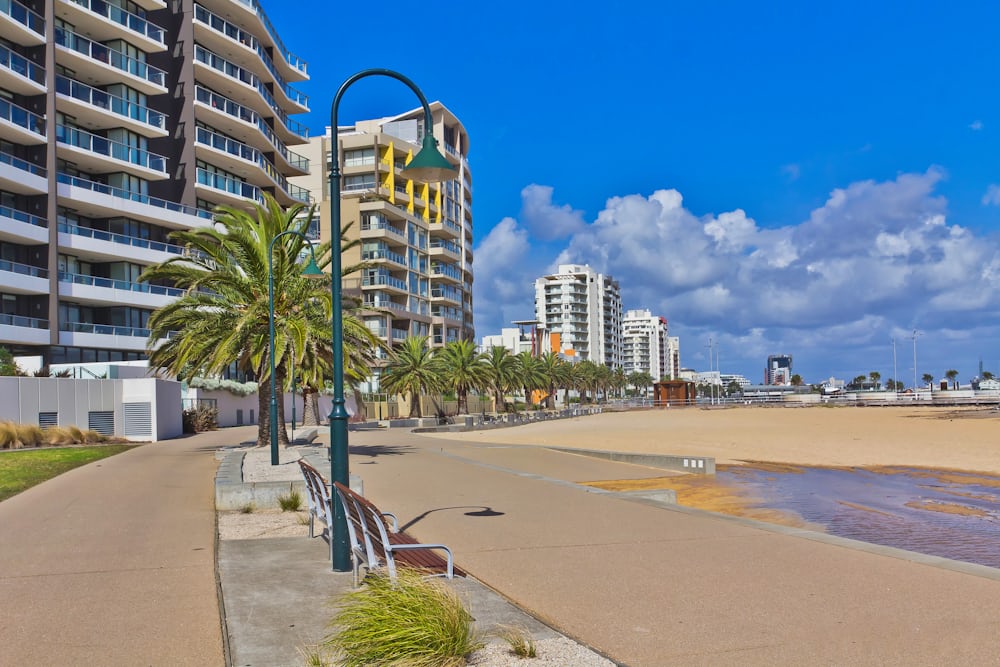
Jacksonville's association market does not behave like a single metro. On the Atlantic side, the condo towers and mid-rises of Jacksonville Beach, Atlantic Beach, and Neptune Beach sit directly in the path of coastal wind, and much of that oceanfront stock predates modern wind-resistant construction codes, so named-storm deductibles, wind mitigation credits, and roof age drive the property placement. Along the St. Johns River, downtown, and the Intracoastal, the dominant exposure shifts from wind to water: tidal surge and freshwater river flooding that the master property policy does not cover at all.

Both sides sit inside Florida's statewide regulatory framework. Since the Surfside collapse, the SIRS (Structural Integrity Reserve Study) and milestone inspection statutes have added a layer underwriters check before quoting or renewing a qualifying condo: whether the building has completed its required structural inspection and whether reserves are funded to the level the statute calls for. Duval County's aging coastal condo inventory is exactly the stock those statutes land on hardest, and associations behind on either requirement increasingly find fewer admitted carriers willing to quote.

Local / Wind and river flooding

Wind on the Beaches, flood along the St. Johns, and the gap between the two policies

For an oceanfront association on the Beaches, the number that determines what the board pays out of pocket after a storm is rarely the all-other-perils deductible. It is the separate hurricane or named-storm deductible, written as a percentage of insured value rather than a flat dollar amount. On a coastal mid-rise or high-rise, a percentage-of-value hurricane retention can translate into a large layer the association has to fund before the property policy responds. Florida Statute 627.701 governs how that hurricane deductible has to be disclosed on the policy, so a Duval County board should read that line on the declarations before it reads the premium, and confirm a reserve line exists that could actually fund the retained layer.

Flooding is the exposure Jacksonville boards most often misread, because it comes from two directions. Coastal storm surge on the Beaches and freshwater flooding on the St. Johns and its tributaries are both flood perils, excluded from the wind and property coverage on the master policy, so a building can have a well-negotiated wind program and still be exposed dollar for dollar on the ground floor, parking, and mechanical rooms during a flood or surge event. Separate flood coverage, through the NFIP or a private flood market, has to be sized to the building's actual FEMA flood zone and elevation rather than a placeholder limit. For a multi-building riverfront community, the NFIP per-building cap leaves a wide gap that excess or private flood in the dedicated community-association markets is meant to fill.

Local / Post-Surfside underwriting

SIRS, milestone inspections, and Jacksonville's aging coastal condo stock

Florida's post-Surfside statutes apply statewide, and they bite hardest on exactly the older oceanfront and riverfront condo inventory that defines much of Jacksonville's association market. Under Florida Statute 718.112(2)(g), condo associations of three stories and higher must complete a Structural Integrity Reserve Study (SIRS) and can no longer waive reserves for the structural components it covers. Under Florida Statute 553.899, those buildings must complete a milestone structural inspection on the statutory timeline, with the initial inspection required by 30 years of age and local officials holding discretion to require it at 25 years for buildings within three miles of the coastline, which captures a meaningful share of the Beaches stock. The dedicated community-association markets have folded both directly into how they underwrite, and many now ask for the SIRS results and the milestone inspection report before they will quote or renew.

This collides with a hard market that was already narrowing admitted-carrier appetite for coastal Florida condominiums. An aging Beaches or riverfront building that deferred reserve funding for years may now be asked to fund a SIRS-driven reserve and pass a milestone inspection at the same time its property premium is climbing and its renewal options are narrowing. For a board, the practical takeaway is that the reserve study and the milestone report have become part of the insurance file. An association that walks into renewal with a completed SIRS, a funded structural reserve, and a clean or actively remediated milestone inspection presents as a materially better risk than an identical building behind on any of the three, and in a market this tight that difference shows up in whether the risk gets quoted at all.

Common questions

Jacksonville HOA and condo insurance: what boards and CAMs ask

How does St. Johns River flooding affect a Jacksonville association's program?

River and tidal flooding is a flood peril, not a wind peril, so it sits under a separate flood policy (NFIP or private) rather than the named-storm coverage on the master property policy. Duval County associations along the St. Johns, its tributaries, and the Intracoastal should size flood coverage to the building's actual FEMA flood zone and elevation, because a strong wind program can still leave the ground floor, parking, and mechanical rooms exposed dollar for dollar in a surge or river event.

Do Jacksonville Beach and Atlantic Beach condos face the same statutes as Miami?

Yes. Florida's SIRS and milestone inspection statutes apply statewide to condominium buildings three stories and higher, so the aging oceanfront condo stock in Jacksonville Beach, Atlantic Beach, and Neptune Beach faces the same reserve-funding and structural inspection scrutiny at renewal that South Florida towers do.

Why do Jacksonville hurricane deductibles matter even though direct hits are rarer here?

Northeast Florida sees fewer direct landfalls than South Florida, but a named-storm deductible is triggered by any officially named storm affecting the building, not only by a direct hit, and it is written as a percentage of insured value rather than a flat dollar amount. A brush from a storm tracking up the Atlantic coast can still trigger that percentage-of-value retention, which is why boards should read the hurricane deductible on the declarations before they read the premium.

Free coverage review

A specialist will check your flood zone designation, SIRS status, and current placement within one business day.

Send your declarations page, flood zone determination, and milestone inspection report if you have them.