HOA Insurer

TL;DR

  • Tampa Bay's coastline carries meaningful storm-surge and wind exposure for high-rise and mid-rise condos, while a growing base of inland master-planned single-family HOAs faces a different, lower-flood-risk profile.
  • Florida's SIRS and milestone inspection statutes apply to Tampa's condo stock statewide, the same way they do in South Florida.

Tampa, Florida

Gulf Coast storm surge on the coastline, a fast-growing inland HOA market behind it.

Tampa's community-association market splits into two distinct exposure profiles: coastal condo towers facing Gulf storm surge and wind, and inland master-planned single-family HOAs facing a comparatively lower flood risk but the same statewide statutory requirements.

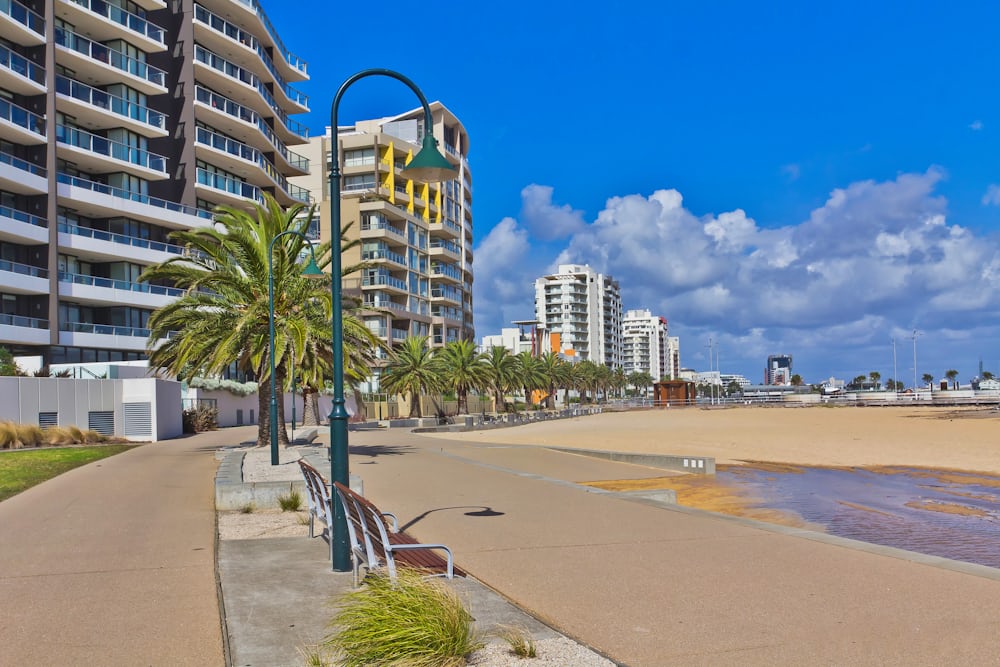
The Tampa community-association market: the condo, HOA, and master-planned buildings a board or manager insures here.

Tampa Bay's downtown and coastal condo stock sits directly exposed to Gulf Coast storm surge, a flood peril distinct from the wind coverage carried on the master property policy. Associations along the bay and barrier islands should treat flood and wind as two separate coverage lines and confirm both are in force at limits that reflect the building's actual flood zone designation, not a generic assumption.

Further inland, Tampa's rapidly growing master-planned single-family HOA market carries a materially lower flood profile but still sits inside Florida's statewide regulatory framework. SIRS and milestone inspection requirements apply to qualifying condo buildings regardless of whether they sit on the coast or inland, so reserve funding and structural inspection status remain part of the underwriting conversation across the metro.

Local · Wind and surge

Named-storm deductibles and the surge gap after two active hurricane seasons

The 2024 season put Tampa Bay's surge exposure in front of underwriters in a way the metro had largely been spared for a generation. Bayfront and barrier-island associations that took water are renewing into a market where wind and named-storm terms are the sharpest part of the master property placement. Expect the hurricane or named-storm deductible to sit as a percentage of insured value, commonly in the 2 to 5 percent range for exposed coastal buildings, rather than a flat dollar amount, and confirm the association carries the cash or a funded reserve to absorb that retained layer before the property policy responds. Under Florida Statute 627.701, that hurricane deductible has to be disclosed clearly on the policy, so read the declarations rather than assuming last year's structure carried over.

The surge itself is the part boards most often misread. Storm surge is a flood peril and is excluded from the wind and property coverage on the master policy, so a building can have a well-negotiated wind program and still be exposed dollar for dollar on the ground floor, parking, and mechanical rooms during a surge event. Separate flood coverage, through the NFIP or a private flood market, has to be sized to the building's actual FEMA flood zone and elevation rather than a placeholder limit. For a mid-rise or high-rise on the water, the NFIP per-building cap leaves a wide gap that excess or private flood in the dedicated community-association markets is meant to fill.

Local · Statute and building stock

SIRS, milestone inspections, and a two-speed Tampa condo market

Tampa's coastal condo stock skews older than the skyline suggests, and that aging inventory is where Florida's post-Surfside statutes bite hardest. The Structural Integrity Reserve Study requirement under Florida Statute 718.112(2)(g) forces qualifying associations to fund reserves for the roof, structure, waterproofing, and other major components rather than waive them, and the milestone inspection requirement under Florida Statute 553.899 puts buildings three stories and taller on a mandatory structural inspection schedule. For older waterfront condos, both land at the same time as the wind and surge pricing above, and underwriters increasingly ask to see the SIRS and milestone status as part of the property submission, not as an afterthought.

Behind the coast, the metro's growth is in newer master-planned single-family HOAs and mid-rise communities across the suburban corridors, and their profile is different in kind. Newer construction and inland siting usually mean a lower flood exposure and cleaner structural picture, which can hold the master property and general liability placement closer to standard terms even while the coastal towers reprice. What does not change is the statutory floor: general liability limits at $1M, and where the association qualifies as a condominium, the same SIRS and milestone obligations regardless of how far the community sits from the water. A Tampa Bay program that treats the coastal condo and the inland HOA as the same risk misses on both.

Common questions

Tampa HOA and condo insurance: what boards ask

How is storm surge treated differently from wind coverage in Tampa?

Storm surge is a flood peril, covered under a separate flood policy (NFIP or private) rather than the wind and named-storm coverage on the master property policy. Coastal Tampa Bay associations should confirm both are in place, since a policy that handles wind well can still leave a storm-surge gap.

Does flood zone designation affect a Tampa association's insurance program?

Yes. FEMA flood zone designation drives whether flood coverage is effectively mandatory for a lender-financed building and shapes pricing and terms on the flood side of the program, separate from the wind and property placement.

Do Tampa condos have to comply with the same SIRS requirement as Miami?

Yes. Florida's SIRS and milestone inspection statutes apply statewide to condos three stories and higher, not just to South Florida, so Tampa Bay associations face the same reserve-funding and inspection scrutiny at renewal.

Free coverage review

A specialist will check your flood zone designation and current program within one business day.

Send your declarations page and flood zone determination if you have one.