HOA Insurer

TL;DR

  • Party-wall and shared-structure exposure is the recurring coverage question for townhome and PUD associations, and it is rarely addressed cleanly in a standard HOA package.
  • PUD common-area liability, private streets, shared drainage, small recreational amenities, needs limits sized to what the association actually owns and maintains, not a boilerplate figure.

Townhome & PUD

Shared walls and PUD common areas create liability questions a single-family policy never answers.

Townhome and planned-unit-development associations sit between condo and single-family coverage: party-wall exposure, shared roof lines, and common-area liability, without full condo-style unit ownership.

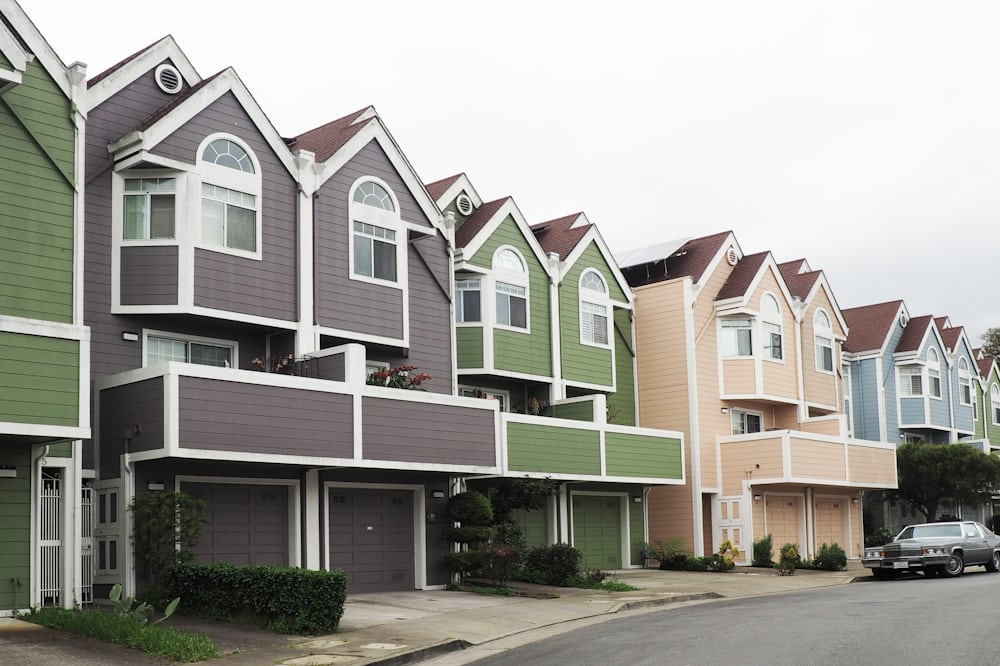
A photo of a row of attached townhomes sharing party walls within a planned-unit-development association.

Problem 01 · Party-wall exposure

Party-wall damage claims fall into a gap between two owners' policies and the association's program.

When a fire or water event crosses a shared wall between two townhome units, the association's master policy, each owner's HO-6 or homeowner's policy, and any lender-required coverage all potentially respond, and the CC&Rs are supposed to say which one pays first. Many older CC&Rs do not say clearly.

We read the CC&Rs' maintenance and repair-obligation language before placing coverage, so the master policy actually lines up with who is responsible for what.

Solution

A program that matches the CC&Rs' repair-responsibility language.

We map the association's actual maintenance obligations under the CC&Rs against the master policy's coverage triggers, so a party-wall claim resolves against a known answer instead of a dispute between two owners' carriers.

Problem 02 · Common-area liability

PUD common-area liability gets priced off a generic per-door number.

Private streets, retention ponds, shared drainage easements, and small recreational amenities each carry distinct liability exposure. A flat per-door general liability limit, common in boilerplate HOA packages, does not reflect what a specific PUD actually owns and maintains.

We size general liability and umbrella limits against the specific common-area inventory, not a per-door rule of thumb.

Solution

Limits sized to what the association actually owns.

We inventory the association's actual common-area assets, streets, drainage, amenities, and size liability and umbrella limits against that inventory rather than a flat per-door assumption.

Problem 03 · Who insures the structure

A PUD gets underwritten as if it were a condo, so the master either double-insures the buildings or leaves a gap.

In most planned unit developments the individual homeowner carries an HO-3 on their own structure, and the association's master program insures only the common areas: private streets, drainage, clubhouse, pool, signage, and shared landscaping. That is the opposite of a condo master, which typically insures the buildings themselves and leaves owners an HO-6 for the interior. When a PUD is placed on a condo master form by default, the association pays to insure structures its owners already cover, or the CC&Rs quietly make some element (a shared roof, a common wall, an attached garage bank) an association responsibility that no one insured at all.

The recorded declaration is the only document that settles which model applies. We read it before quoting, so the master matches the ownership line rather than whichever form the last renewal happened to use.

Solution

A master scoped to what the declaration actually assigns the association.

We confirm from the declaration whether structures are owner-insured or association-insured, then scope the master to the common-area inventory and flag any shared structural element the CC&Rs push onto the association. Where owners face a master-deductible pass-through on a common-area loss, we note it early, since an owner's HO-3 loss-assessment endorsement caps deductible assessments at $1,000 under the unedited ISO form, and that sublimit can usually be raised on request once owners know the master deductible figure.

Problem 04 · Governance liability vs common-area liability

Common-area general liability and board D&O get treated as one line, and a governance claim lands with no coverage behind it.

The commercial general liability on the common areas answers for bodily injury and property damage: a slip on the pool deck, a fall on a private street, and its defense costs sit outside the limit. It does not answer for a claim against the board over a governance decision: an architectural denial, an assessment increase, a reserve-funding dispute, a selective-enforcement complaint. Those are directors and officers claims, and in a self-managed townhome or PUD association they are the more common way a board actually gets sued.

Carrying a per-occurrence general liability limit at or above the $1M lender floor does nothing for a D&O exposure, and many small PUD programs never separate the two.

Solution

General liability and D&O sized as two distinct exposures.

We place common-area general liability at or above the $1M per-occurrence floor with an umbrella over it for amenity-heavy communities, and a separate D&O policy that pays defense costs for governance claims, commonly in the $1M to $3M range for a community of this size. On the D&O we read the covenant-enforcement carve-back closely, since covenant and architectural disputes are exactly where a townhome or PUD board's governance claims tend to land.

Market access

Markets that understand PUD governance, not just condo or single-family HOA forms.

Townhome and PUD associations get placed, by default, into whichever form an agent has on hand, a condo master policy or a single-family HOA liability-only form, and neither fits cleanly. We place through markets with dedicated PUD and townhome forms.

Programs are structured around the association's actual ownership and maintenance model, not the nearest available template.

Frequently asked

Common questions from townhome and PUD boards

How is a townhome PUD insured differently from a condo?

In a planned unit development, owners typically own their lot and structure, so the individual homeowner policy carries the building, and the association insures the common areas and its own liability and governance exposure. This is different from a condominium, where the master policy usually insures the structures. The declaration and plat determine which model applies.

Who insures the building in a townhome PUD?

Usually the individual owner, through a homeowner policy, because the owner holds the lot and structure. The association program then focuses on common-area property, general liability, D&O, and a fidelity bond. Confirm the declaration, because some attached-townhome projects are structured as condominiums and shift building coverage back to a master policy.

Authoritative references

Primary regulatory sources for townhome and PUD insurance

Compare association types

Go deeper on the specific clauses and decisions that show up most.

Free coverage review

A specialist will review your policy within one business day.

Send your CC&Rs, master policy declarations page, or lender letter, whatever you have. No marketing sequences, no list rental.