HOA Insurer

TL;DR

  • 55+ community amenity centers, clubhouses, pools, fitness centers, organized recreational programming, generate higher liability claim frequency than a standard HOA's common areas.
  • Associations that directly staff or program amenities take on operational liability exposure a purely common-area HOA policy does not anticipate.

55+ / active-adult

Clubhouses, pools, and fitness centers carry more liability frequency than a standard HOA amenity package assumes.

55+ and active-adult communities operate amenity-heavy campuses, clubhouses, pools, fitness centers, and organized recreational programming, that generate materially more liability frequency than a typical single-family HOA, and coverage needs to be sized to that activity level.

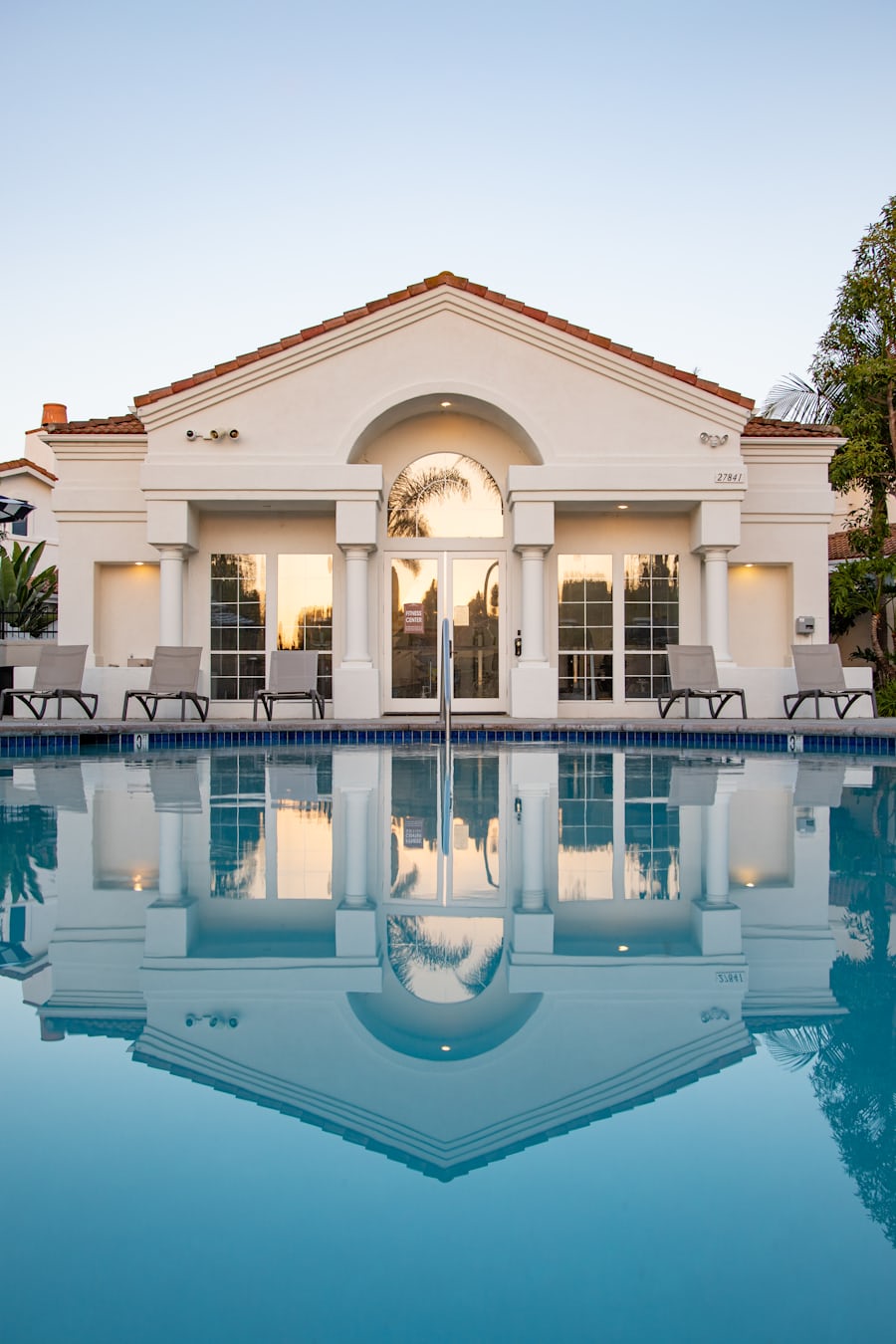
A photo of a 55+ active-adult community clubhouse and amenity center used for organized resident programming.

Problem 01 · Amenity liability frequency

Amenity liability frequency runs higher than the policy assumes.

A 55+ community's clubhouse, pool, and fitness center see materially more usage, and a materially older resident population, than a typical single-family HOA's common areas. That combination produces higher slip-and-fall and general liability claim frequency. A policy priced against a standard HOA's amenity assumption tends to underprice, and sometimes underinsure, this exposure.

We size general liability and umbrella limits against actual amenity usage and claims experience for age-restricted communities, not a standard HOA baseline.

Solution

Limits sized to actual amenity usage, not a standard-HOA baseline.

We size the association's liability program against actual amenity usage patterns and claims experience specific to age-restricted communities, rather than the lower baseline a standard single-family HOA amenity package assumes.

Problem 02 · Staffed programming

Association-run programming creates operational liability the master policy does not anticipate.

Associations that directly staff fitness classes, organize resident transportation, or run recreational programming take on an operational liability profile closer to a small business than a typical HOA. A general-liability-only master policy, with no consideration for staffed programming, can leave that exposure uninsured or underinsured.

We confirm coverage extends to the association's actual staffed and programmed activities, not just passive common-area ownership.

Solution

Coverage that accounts for staffed programming, not just passive common-area ownership.

We confirm the association's liability program extends to staffed fitness programming, organized transportation, and recreational events, if the association runs them directly, rather than assuming a passive common-area liability form is sufficient.

Problem 03 · Employer exposure (D&O + EPLI)

A community that directly employs staff carries employment exposure a D&O policy was never built to cover.

Active-adult campuses frequently employ people the association pays directly: an on-site activities director, fitness or aquatics staff, grounds and maintenance crew, gate or front-desk staff. The moment the association is a W-2 employer, it owns employment practices exposure, discrimination, harassment, wrongful-termination, and retaliation claims, and defense costs are usually the larger part of that exposure. Boards routinely assume this sits inside directors and officers (D&O) liability. It does not. D&O covers governance decisions; employment claims are a separate line, employment practices liability (EPLI), and when it is missing a single claim can force a special assessment to fund the defense.

There is no insurance-code section that mandates EPLI for an association, so it is easy to leave off the schedule until a claim arrives. The other recurring trap is a board that staffs through a management company and assumes all employment exposure sits with the manager, when a directly hired worker or a joint-employer theory can still name the association.

Solution

D&O and EPLI written as the distinct lines they are, sized to headcount.

We confirm whether the association is a direct employer, then place EPLI as its own line rather than assuming it is folded into the D&O form. We check for a third-party liability extension (a harassment or discrimination claim brought by a resident or vendor, not only an employee) and size the limit to the actual workforce. Both D&O and EPLI for community associations commonly run in the $1M to $3M range, but we set each to the size of the board's governance and employment exposure rather than a legacy default, and we pair it with workers compensation for any direct employees as the state's law requires.

Problem 04 · Recreational-liability limits

Golf, organized recreation, and constant amenity traffic push total liability limits above the standard floor.

A golf course, organized sports, transportation, and clubhouse events concentrate bodily-injury exposure that a single general liability limit was never meant to absorb alone. Fannie Mae's Selling Guide (B7-4-01) sets the warrantable floor at a commercial general liability policy of at least $1,000,000 per occurrence, and a generalist habitational program often stops at that floor. For an amenity-heavy 55+ campus, that floor is a starting point, not an adequate limit, and CGL defense costs are typically paid outside the policy limit, so a drawn-out recreational-injury suit can erode the limit available to actually pay a claim.

The efficient fix is not raising every primary policy; it is an umbrella that follows form over general liability, hired and non-owned auto, and often D&O, adding a shared limit for the catastrophic recreational claim.

Solution

A follow-form umbrella sized to the amenity footprint, above a correctly written primary.

We keep the primary general liability at or above the $1,000,000 per-occurrence warrantability floor, then layer an umbrella that follows form over general liability, hired and non-owned auto, and D&O so a single large recreational claim has capacity behind it. Umbrella limits for community associations commonly run in the $5M to $25M range depending on amenities, unit count, and whether the association operates a golf course or organized programming directly. These are illustrative bands, not a quote; we set the tower to the campus's actual recreational footprint.

Market access

Markets that price amenity-heavy, age-restricted campuses correctly.

55+ and active-adult communities need underwriters who evaluate amenity usage and staffed programming directly, not a standard HOA desk applying a lower-frequency common-area assumption. We place through the dedicated community-association specialty markets with that experience.

Programs are sized to the community's actual amenity footprint and any staffed programming the association runs.

Frequently asked

Common questions from 55+ and active-adult community boards

Do 55-plus communities have different insurance needs?

Active-adult communities often carry extensive shared amenities, clubhouses, fitness centers, pools, and transportation, which raise the general liability and equipment breakdown profile. Amenity liability and umbrella sizing deserve particular attention, along with the standard property, D&O, and fidelity coverages every community association needs.

Authoritative references

Primary regulatory sources for 55+ and active-adult community insurance

Compare association types

Go deeper on the specific clauses and decisions that show up most.

Free coverage review

A specialist will review your policy within one business day.

Send your governing documents, master policy declarations page, or lender letter, whatever you have. No marketing sequences, no list rental.