HOA Insurer

TL;DR

  • Commercial tenancy inside a mixed-use community introduces liability exposure, foot traffic, food service, retail operations, that a residential-only master policy is not built to absorb.
  • Declarations for mixed-use communities need to specify how common-area costs and liability are allocated between residential and commercial owners, and that allocation should drive the insurance program, not the reverse.

Mixed-use community

Residential common areas and ground-floor commercial space carry different risk. The allocation has to be explicit.

Mixed-use communities combine residential common-area governance with ground-floor retail, office, or commercial tenancy, and the insurance program has to separate and allocate that risk correctly, not blend it into one residential policy.

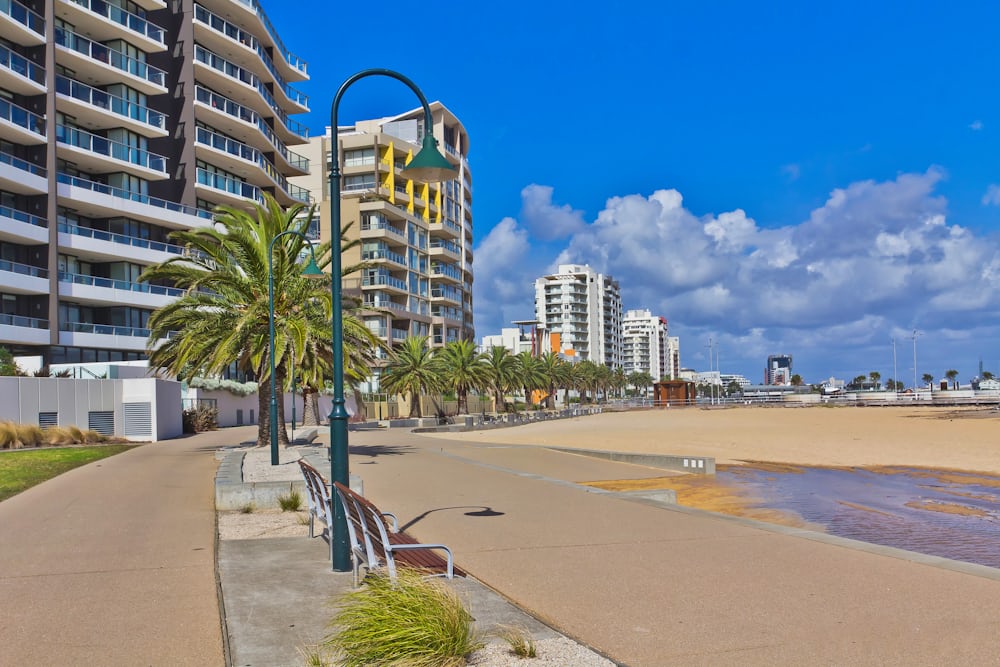
A photo of a mixed-use building with ground-floor commercial space beneath residential units.

Problem 01 · Commercial tenant liability

Commercial tenant liability spills into the residential association's program.

Ground-floor retail, restaurant, or office tenancy inside a mixed-use building introduces liability exposure, slip-and-fall from retail foot traffic, food-service exposure, delivery and loading-dock activity, that a residential-only general liability policy was never priced to absorb. Without clear allocation, a claim connected to commercial activity can erode limits meant for residential common-area exposure.

We confirm the declaration's cost and liability allocation between residential and commercial owners before sizing the association's program.

Solution

Liability limits sized separately for residential and commercial exposure.

We size general liability and umbrella coverage with the commercial tenancy's actual exposure accounted for separately, so a commercial-side claim does not erode the limits available for residential common-area exposure.

Problem 02 · Property valuation

Property valuation blends residential and commercial space into one flawed figure.

Ground-floor commercial buildout, kitchen equipment, retail fixtures, tenant improvements, has different replacement-cost characteristics than residential common areas. Valuing the entire structure as one residential-style figure tends to understate the commercial portion and can misallocate assessment cost back to residential owners.

We value residential and commercial space separately and confirm the declaration's cost-allocation formula matches how the property is actually insured.

Solution

Separate valuation for residential and commercial space, matched to the declaration's allocation formula.

We obtain separate replacement-cost valuation for residential common areas and commercial space, and confirm the insurance program's cost allocation matches the declaration's formula.

Problem 03 · Habitational vs commercial rating

One master program rated on a single basis fits neither the residential nor the commercial component.

Habitational risk and commercial risk are rated on different bases. Residential common areas are priced against the shared-governance, owner-occupied habitational class the community-association markets are built for. Ground-floor retail, restaurant, or office space is priced against commercial occupancy, foot traffic, cooking exposure, longer hours, and public access. A master program that blends the whole building into one habitational rate tends to underprice the commercial exposure, and a generalist package that rates the whole thing as commercial habitational, apartment-style, misprices the residential side and often drops to actual cash value on the building.

We look at how the current program is rated before renewal. An ACV master building policy or an apartment-style habitational package on a mixed-use structure usually signals the account was placed on a single generalist basis rather than underwritten as a blended residential-and-commercial risk.

Solution

Each component underwritten on its own rating basis, then combined into one master program.

We place through the dedicated community-association markets that rate the residential common areas on a shared-governance basis and the commercial tenancy on its actual commercial occupancy, then combine both into one master program on replacement cost. General liability is written no lower than the $1,000,000 primary floor most lenders and governing documents require, with the commercial exposure carried on top of that rather than buried inside a residential-only limit.

Problem 04 · Premium allocation between components

Premium gets split back to owners on a formula that does not match how the risk was actually rated.

The declaration sets a cost-allocation formula, often by square footage or unit count, for splitting common expenses between residential and commercial owners. When the master premium is allocated on that generic formula but the commercial component actually drove a disproportionate share of the liability and property rate, residential owners quietly subsidize the commercial tenancy through their assessments. The reverse happens too, where a low-risk office suite is charged as if it carried restaurant exposure.

There is also a downstream effect on unit owners. The master policy deductible flows to owners as a special assessment, and the unedited ISO HO-6 loss-assessment form caps deductible-assessment coverage at $1,000 for any one loss. On a mixed-use building carrying a larger master deductible on the commercial side, that gap is worth surfacing so owners can shop the sublimit up.

Solution

Premium allocation reconciled to the actual rating split and to the declaration.

We document how much of the master premium is attributable to the residential versus the commercial component and reconcile that against the declaration's cost-allocation formula, so the board can allocate assessments on a basis it can defend rather than a formula that happens to be convenient. We also flag the master deductible figure so unit owners know how far above the $1,000 ISO sublimit they need to buy on their own HO-6 loss-assessment coverage.

Market access

Markets that underwrite mixed residential and commercial risk in one structure.

Mixed-use communities need underwriters who evaluate residential common-area risk and commercial tenant risk together, not a residential-only desk that treats ground-floor retail as an afterthought. We place through the dedicated community-association specialty markets with that combined underwriting experience.

Programs are structured to keep residential and commercial exposure properly separated, consistent with the declaration's cost-allocation formula.

Frequently asked

Common questions from mixed-use community boards

How does commercial space in a mixed-use building affect the master policy?

Commercial units, retail, restaurant, or office space, change the liability and property profile and can affect lender warrantability, which limits the commercial percentage of a project. The master policy has to account for the commercial occupancies, and the association should confirm how the declaration allocates insurance responsibility between residential and commercial components.

Does a restaurant on the ground floor change the insurance requirements?

It can materially. Cooking operations raise fire and equipment exposure, and lenders scrutinize the commercial share of a mixed-use project. Confirm the commercial tenant carries its own coverage, that the master program accounts for the elevated exposure, and that the project still meets the commercial-space limits in the applicable lender guide.

Authoritative references

Primary regulatory sources for mixed-use community insurance

Free coverage review

A specialist will review your policy within one business day.

Send your declaration, master policy declarations page, or lender letter, whatever you have. No marketing sequences, no list rental.