HOA Insurer

TL;DR

  • The Las Vegas Valley carries some of the highest master-planned community density in the country, with a correspondingly high concentration of shared pools, clubhouses, and amenities per household.
  • Nevada's Uniform Common-Interest Ownership Act (NRS 116) sets the statutory baseline for association operations and disclosure, applying across the valley's dense master-planned community stock.

Las Vegas, Nevada

Some of the country's highest master-planned community density, under Nevada's common-interest statute.

Las Vegas is built around some of the country's largest and densest master-planned communities, each carrying a correspondingly heavy concentration of common-area pools and amenities, all operating under Nevada's common-interest ownership statute.

The Las Vegas community-association market: the condo, HOA, and master-planned buildings a board or manager insures here.

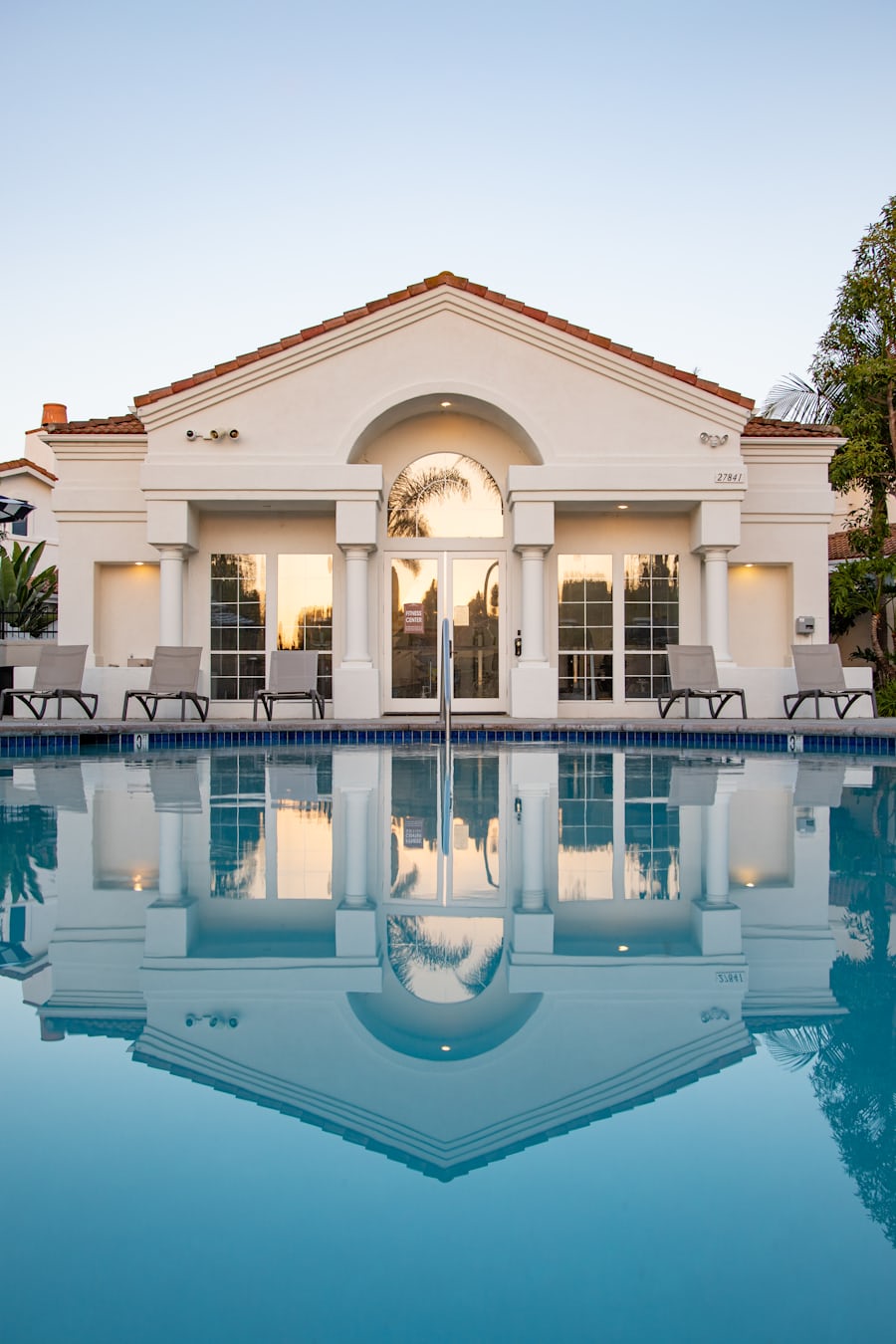
The Las Vegas Valley's master-planned communities are frequently built with an unusually high concentration of shared pools, clubhouses, sport courts, and walking trails relative to household count, and each of those common-area amenities represents its own liability exposure. A program sized for a typical HOA's common areas can understate the actual exposure of a community with a resort-style amenity package, which is worth confirming rather than assuming carries over from a standard placement.

Every Nevada common-interest community operates under NRS Chapter 116, the Uniform Common-Interest Ownership Act, which sets the statutory floor for association operations, including insurance and financial disclosure requirements that the governing documents have to reflect. Confirming the current program is both adequately sized for the amenity package and compliant with the statutory baseline is a routine check worth running at every renewal.

Local / Amenity and building systems

Master-planned density and high-rise towers put amenity liability and equipment breakdown front and center

The Las Vegas market combines a high density of master-planned communities with a stock of high-rise towers, and both concentrate exposure in the common areas rather than the units. Master-planned communities carry extensive pool, clubhouse, and amenity liability that pushes the appropriate general-liability and umbrella limits up, while high-rise towers add elevators, central HVAC, and large pumps that make equipment breakdown a real coverage rather than an afterthought. Umbrella limits for amenity-heavy or high-rise communities commonly run toward the higher end of the 5 to 25 million dollar range.

Nevada also runs an unusually detailed community-manager licensing and governance regime, which raises the profile of the D&O and fidelity pieces alongside the property program. A board here should confirm the umbrella follows form over general liability, non-owned auto, and D&O, that the equipment schedule matches the systems in service, and that D&O and fidelity are written to the standard the governance regime expects.

Local / Statutory floor

The NRS 116 floor is 80 percent of actual cash value, still short of the lender bar

Nevada Revised Statutes 116.3113 requires the association to insure the common elements at not less than 80 percent of actual cash value after deductibles, exclusive of land and foundations. Actual cash value deducts depreciation, and 80 percent of it is below the Fannie Mae 100 percent replacement-cost standard a conventional loan requires. A Las Vegas association can satisfy NRS 116 and still fail a lender insurance review, so the property program should be sized to full replacement cost, not the statutory minimum.

Nevada is a comparatively low-catastrophe property environment, so the conversation here centers on adequate replacement-cost valuation, high-rise building systems, and amenity liability rather than storm deductibles. The recurring gap is a program written to the 80 percent actual-cash-value floor rather than to full replacement cost, which surfaces at exactly the wrong moment, at a claim or a unit sale.

Common questions

Las Vegas HOA and condo insurance: what boards ask

What does Nevada's common-interest ownership statute require?

Nevada Revised Statutes Chapter 116, the Uniform Common-Interest Ownership Act, sets baseline requirements for association operations in the state, including provisions touching insurance and financial disclosure that a Las Vegas association's governing documents have to reflect.

Why does amenity density affect a Las Vegas HOA's liability exposure?

Master-planned communities in the Las Vegas Valley are often built with an unusually high concentration of shared pools, clubhouses, sport courts, and walking trails per household, and each of those common-area amenities is a distinct liability exposure the association's program has to actually address.

Are pools and clubhouses covered under a standard HOA master policy?

The structures themselves are typically covered under the property portion of a standard master policy, but liability exposure from pool operations, and whether the program includes adequate limits for amenity-heavy common areas, is a separate question worth confirming rather than assuming.

Free coverage review

A specialist will check your amenity liability limits and current program within one business day.

Send your declarations page and a list of shared pools, clubhouses, and other common-area amenities.